
Wildlife in Kuwait – Discovering Nature in the Heart of the Desert
 By Axel Donovan
The first thing that comes to the mind of the vast majority as they consider Kuwait is modern skyscrapers, deserts of gold, and the shining Arabian Gulf. However, behind this urban facade, there is an unexpected jewel, the rich and strong wildlife in Kuwait. From desert foxes and oryxes through the dunes to migratory birds perched in wetlands at the coast, Kuwait has a great variety of species that have adapted to its dry climate.
For the tourists who want to experience a natural and natural Kuwait, visiting the wildlife is a rejuvenating activity to get out of the city. And their travel checklist is not complete without applying for a Kuwait eVisa, an easy and formal entry into the country, which also makes it easy to experience the wild side in Kuwait and go sightseeing.
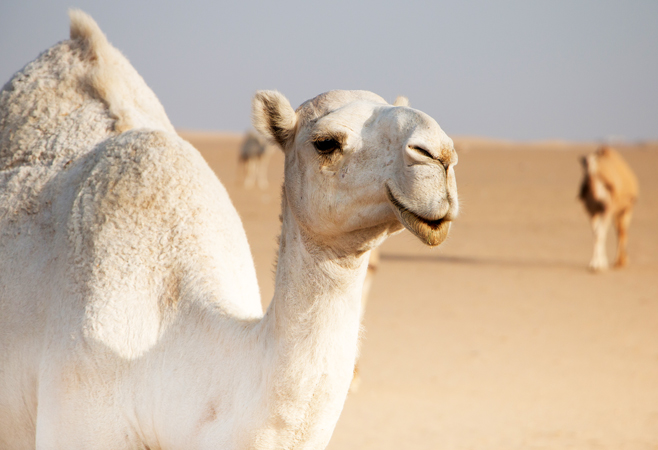 White friendly camel wandering freely in the desert of Kuwait
- 1. The Natural Landscape of Kuwait
- 2. Wild Animals in Kuwait’s Desert Landscape
- 3. Birds in Kuwait – A Paradise for Birdwatchers
- 4. Marine Life and Coastal Ecosystems
- 5. Reptiles and Amphibians in Kuwait
- 6. Nature Reserves and Protected Areas
- 7. Challenges Facing Kuwait’s Wildlife
- 8. Responsible Wildlife Tourism
- 9. How to Visit Kuwait for Wildlife Exploration
- 10. Conclusion
1. The Natural Landscape of Kuwait
Kuwait is a relatively small nation in the Middle East, but the terrain can sustain a rather diverse ecosystem. The terrain of the country is vast desert plains, as well as coastal marshes, offshore islands, and salt flats. The various regions provide different forms of wildlife with a special habitat in Kuwait.
Although it appears to be a desert, the desert is actually full of life by night. This ecosystem supports reptiles, foxes, and rodents. In the meantime, Kuwait’s over 300-kilometer-long coastline provides essential breeding and feeding zones for marine life and migratory birds.
These two opposite environments demonstrate how life has managed to conform to the harsh conditions of Kuwait, and hence its wildlife is not only tough but also interesting.
2. Wild Animals in Kuwait’s Desert Landscape
In Kuwait, there are various wild animals, which have knowingly adapted to survive with limited water and extreme temperatures, in spite of the harsh climate in the desert. They are completely fit into the environment by special physical characteristics and behavior.
Arabian Oryx
The Arabian oryx has been reintroduced in Kuwait, having been extinct in the wild. It has a symbol of strength and beauty with its pure white coat and flowing, curved horns. The Arabian oryx has been reintroduced in limited, carefully managed protected areas, where it is closely monitored as part of conservation efforts.
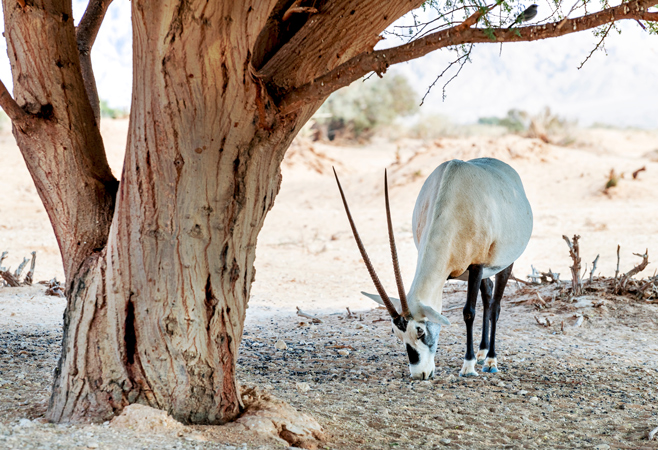 Arabian white oryx
Desert Fox (Rüppell’s Fox)
The Kuwaiti desert fox is one of the most popular mammals among wildlife in the country. It releases heat through its large ears and is mostly nocturnal, feeding on insects and little animals when the nights are cool.
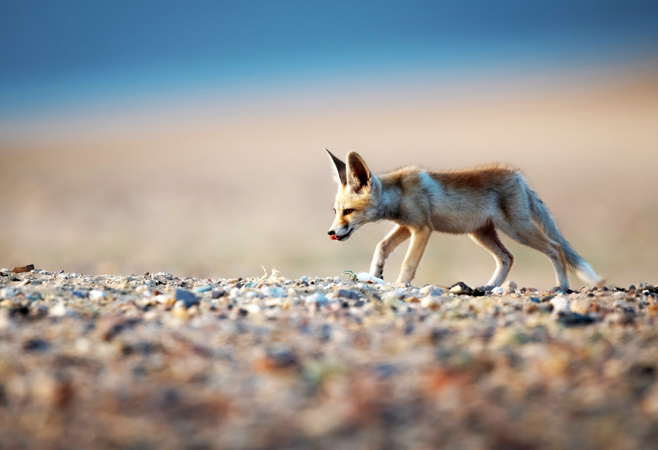 Kuwait desert for Arabian fox
Sand Gazelle
The Rheem, this delicate antelope, is another desert survivor. Historically present in Kuwait’s open plains, sand gazelles are now rarely seen, with only limited records due to habitat loss and environmental pressures.
Hedgehogs and Wildcats
Species such as the Ethiopian hedgehog and Arabian wildcat have been recorded in remote areas, though they are extremely elusive and rarely observed. Both are isolated, unstated, and members of the natural desert ecosystem of Kuwait.
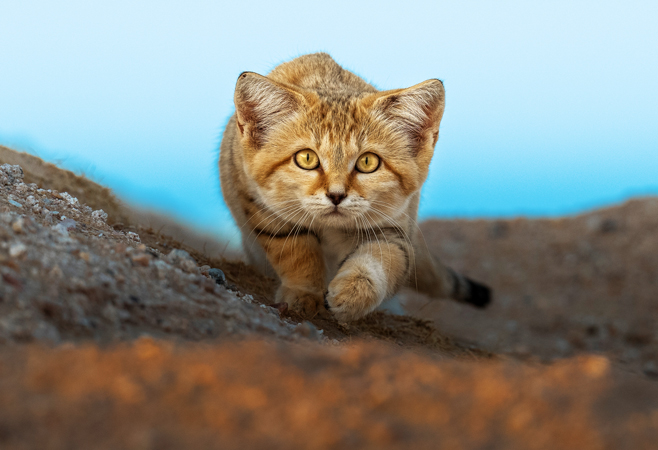 The sand cat is one of the rarest desert mammals in Kuwait and is mostly documented through scientific surveys rather than direct sightings
3. Birds in Kuwait – A Paradise for Birdwatchers
The number of bird species in Kuwait is one of the best features of wildlife in the country. Kuwait is positioned on the Afro-Eurasian migration pathway, and it is a crucial resting place for hundreds of bird species doing their flight between Africa, Asia, and Europe.
Over 400 bird species have been recorded in Kuwait, most of them seasonal or migratory, making the country a significant destination for birdwatchers.
Flamingos and Herons
The pink flamingos and white herons are also present in large numbers, especially in the winter period (October to March) along the coastline, particularly in the Sulaibikhat Bay and Jahra Pools Nature Reserve. Their colorful nature is a great contrast with the golden sunsets of Kuwait.
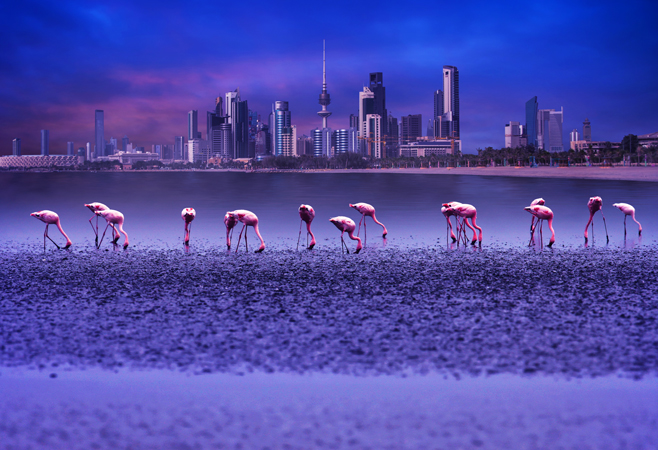 Flamingo birds in front of kuwait cityscape
Falcons – The Cultural Symbol
Falcon is a tradition that is embedded in the Kuwaiti heritage. The sport and hunting method used to be traditional, as well as falconry, and these birds are still a national pride. It is an awesome view to watch a falcon flying over the desert sky, and this ties contemporary Kuwait to the Bedouin past.
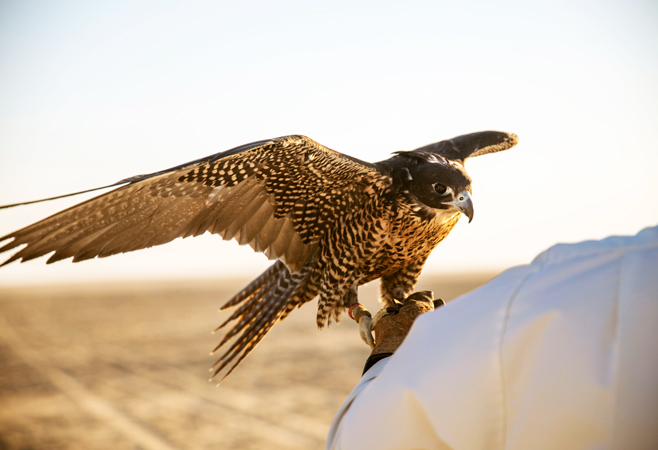 Arabian Falcon with open wings in the desert
Migratory Birds
Besides resident birds, migratory birds like sandpipers, osprey, and egrets are also prevalent. Jahra Pools Nature Reserve, Al Abraq Reserve, and Boubyan Island are the most favorable areas for watching birds during the migration seasons.
4. Marine Life and Coastal Ecosystems
The marine ecosystem of Kuwait is also very rich, and it is a significant component of the wildlife in Kuwait. The warm waters of the Arabian Gulf support hundreds of marine species, including fish, invertebrates, and marine mammals.
- Sea turtles: Green turtles and hawksbills can be frequently found around Kubbar Island and Qaruh Island.
- Dolphins: Dolphins are sometimes seen offshore, which entertains the visitors on boat trips.
- Dugongs (Sea Cows) are rarely recorded in Kuwait’s southern waters, with occasional sightings reported in the northern Arabian Gulf.
- Coral Reefs: The coral reefs in Kuwait are smaller than in the other Gulf countries; however, they also serve as homes to many small fish and crustaceans.
The marine environment plays a crucial role in maintaining ecological balance, and Kuwait has implemented conservation efforts to protect it from pollution and overfishing.
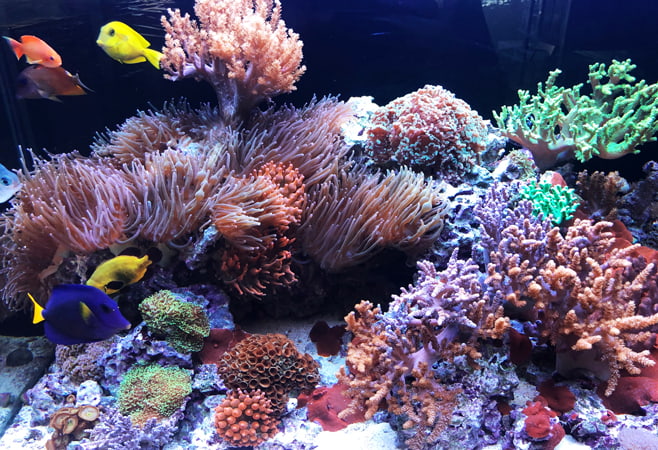 Marine reef tank, Kuwait
5. Reptiles and Amphibians in Kuwait
In the desert, reptiles are among the most common creatures adapted to extreme heat. Notable examples include:
- Spiny-tailed Lizard (Dhub): This is a large, slow lizard, which digs into the ground during the day.
- Sand Snakes and Geckos: These are nimble creatures that dwell well in sand and blend well with the land.
- Monitor Lizards: These are present in places of rockiness, and they are characterized by their vastness and speed.
Amphibians are rare due to the dry climate, but some frogs and toads can be found near artificial ponds or farms.
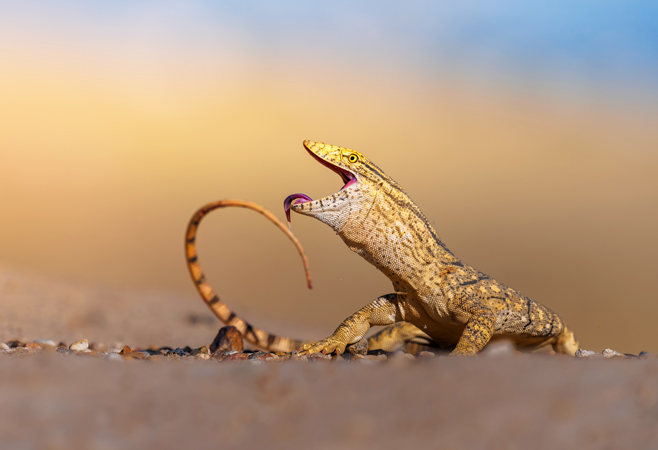 Monitor lizards in desert of Kuwait
6. Nature Reserves and Protected Areas
Kuwait has gone a long way in ensuring its biodiversity is conserved. Kuwait has several essential places where wildlife can be seen at close quarters:
Jahra Pools Nature Reserve
Jahra Pools Nature Reserve is Kuwait’s most important wetland for migratory birds, offering observation towers and boardwalks for responsible birdwatching.
Al Abraq Reserve
Al Abraq is located in the western desert, and it is characterized by its own ecosystem with desert mammals and migratory birds.
Boubyan Island
Boubyan is the biggest and most undisturbed island in Kuwait and is a rare habitat of seabirds and marine animals. It is a protected environment through restricted access.
These conservation zones demonstrate how Kuwait is increasingly determined to ensure the preservation of the environment and sustainable tourism.
7. Challenges Facing Kuwait’s Wildlife
Despite conservation efforts, wildlife in Kuwait faces several threats:
- Urbanization: Expanding cities reduce natural habitats.
- Climate Change: Hotter temperatures and irregular rainfall affect desert life.
- Pollution: Oil spills and waste impact coastal and marine ecosystems.
- Illegal Hunting: Some species still face danger from poaching or overhunting.
Government agencies like the Environment Public Authority (EPA) and the Kuwait Institute of Scientific Research are also involved in creating awareness and implementing laws for the protection of wildlife.
8. Responsible Wildlife Tourism
If you plan to explore wildlife in Kuwait, do so responsibly. Follow these tips:
- Respect nature — do not feed or disturb animals.
- Visit reserves with licensed guides.
- Avoid littering and use designated paths.
- Bring binoculars and a camera to observe from a distance.
To the environmentally friendly tourist, Kuwait will provide bird-watching field trips, desert excursions, and marine tours. By having these experiences, you will be able to enjoy nature and also help in creating awareness of conservation.
9. How to Visit Kuwait for Wildlife Exploration
You will require a valid visa in case you are in Kuwait as a tourist who would like to see the beauty of the wildlife in the country. Luckily, it is not that difficult, as one has to obtain a Kuwait eVisa via the Kuwait Immigration Services. The service offers a quick, formal, and safe method of acquiring travel approval online.
By giving your consent, you are free to visit the nature reserves, the coastal beaches, and the islands of Kuwait and enjoy the different animals and birds unique to this country that make Kuwait so special.
10. Conclusion
The wildlife in Kuwait reveals a side of the country few people know — one filled with life, color, and resilience. From graceful flamingos in the wetlands to foxes prowling in the desert at night, each animal has a role to play to sustain the delicate ecosystem of Kuwait.
Kuwait is protecting its future generation through conservation and responsible traveling to preserve its biodiversity. And then, so, in case you are an adventurer, a photographer, or just a lover of nature, you cannot pass up the chance to explore this hidden paradise.
Take the first steps now—get your Kuwait eVisa with the Kuwait Immigration Services, grab your camera, and get ready to get to the wildest part of the Arabian desert.
.
Related Articles
- Interesting Facts About Kuwait You Should Know Before Visiting
- Photography Spots in Kuwait – Top Places for Stunning Photos
- Yacht Trip in Kuwait – A Luxury Experience on the Arabian Gulf
- Camping in Kuwait Desert – The Ultimate Guide to a Desert Adventure
- Camel Riding in Kuwait – A Complete Desert Experience Guide
- Fine Dining in Kuwait – A Guide to Luxury Culinary Experiences
- Autumn in Kuwait – Weather, Places to Visit, and Travel Tips
- Winter in Kuwait – Weather, Best Places to Visit, and Travel Tips
- Kuwait Summer – Weather, Travel Tips, and Things to Do
- Spring in Kuwait – Weather, Best Places to Visit, and Travel Tips

HOW CAN WE HELP?
 NEED HELP 24/7
 United States
+1 949 346 9868
United States
+1 949 346 9868
 United Kingdom
+44 0330 822 7696
United Kingdom
+44 0330 822 7696
 Singapore
+65 6485 3630
Singapore
+65 6485 3630
 Viber
+65 8174 8526
Viber
+65 8174 8526

APPLY WITH CONFIDENCE


|


