
Kuwait Food Tour – A Culinary Journey Through the Heart of Arabia
 By Axel Donovan
A Kuwait food tour will be an unforgettable experience for any traveling person who is of the view that there could not be a better way of exploring a country than through the food it provides. Kuwait is a combination of Arabian tastes, ancient culinary traditions, and new trends in cuisine, which is found on the coast of the Arabian Gulf. Whether it is in giant souqs of spices and desserts or the exquisite dining establishments with seaside views, everything you eat here is a story.
The other thing that you must not leave out when planning your adventure is applying to get a Kuwait eVisa at the Kuwait Immigration Services. Many travelers choose to apply for a Kuwait eVisa online in advance to ensure a smooth entry process and will be in a position to focus on what is important, which is the taste of the delicious Kuwait.
 Popular cafe (outdoor) in the center of the capital of Kuwait
- 1. The Essence of Kuwaiti Cuisine
- 2. Traditional Dishes You Must Try in Kuwait
- 3. Street Food Adventures in Kuwait
- 4. Fine Dining Experiences and Modern Kuwaiti Restaurants
- 5. Culinary Hotspots and Markets
- 6. Desserts and Drinks You Shouldn’t Miss
- 7. Kuwait Food Festivals and Culinary Events
- 8. Etiquette and Cultural Tips for Food Lovers
- 9. Planning Your Kuwait Food Tour
- 10. Travel Preparation and Visa Information
- 11. Conclusion
1. The Essence of Kuwaiti Cuisine
The cooking culture of Kuwait is a reflection of its history as a maritime nation and a trading hub. The cuisine of Kuwait is a mixture of aromatic spices, fresh seafood, and rich meat under the influence of the Persian, Indian, and Mediterranean cultures in the form of a comfort meal. The Kuwait food tour will enable you to experience how the traditional and the modern are mixed, either in the street or in a five-star restaurant.
Correspondingly, the theme of hospitality seems to appear in every Kuwaiti home and restaurant. Food is not merely a sustenance process, but it is a feast of family, friendship, and culture.
2. Traditional Dishes You Must Try in Kuwait
No food tour in Kuwait would be complete without tasting the country’s iconic traditional dishes.
Machboos
The national dish of Kuwait is often referred to as Machboos, which is a spicy rice dish prepared using saffron, cinnamon, and cardamom and is accompanied by moist lamb or chicken and fish. It is the most basic of Kuwaiti foods.
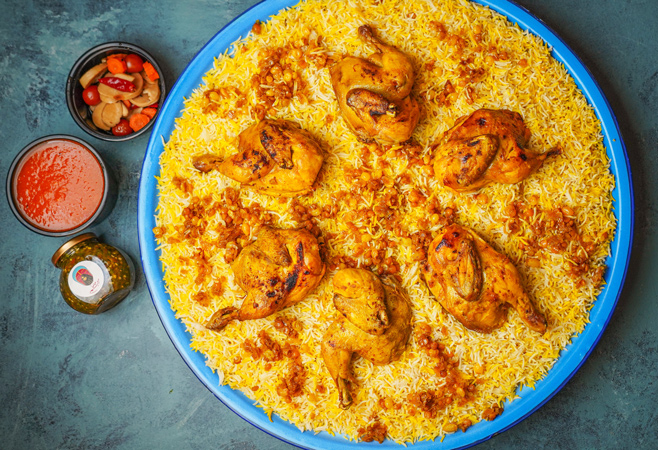 Chicken Machboos Tray
Muttabaq Samak
An easy and, at the same time, delicious flavored fish and rice. It represents Kuwait’s deep connection to the sea and is traditionally served with a spiced tomato sauce such as daqqous, or enjoyed on its own.
Harees
It is one of the traditional Ramadan recipes; it is a combination of wheat and meat cooked into a porridge with a creamy texture.
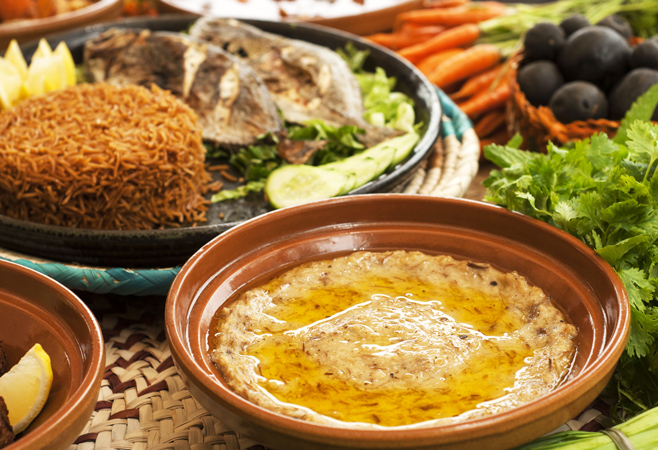 Harees is a traditional savory Ramadan dish made from wheat and meat, slow-cooked into a smooth, hearty consistency
Jireesh
A hotpot made of cracked wheat and chicken, slowly stewed with spices—a comforting dish often enjoyed during cooler months.
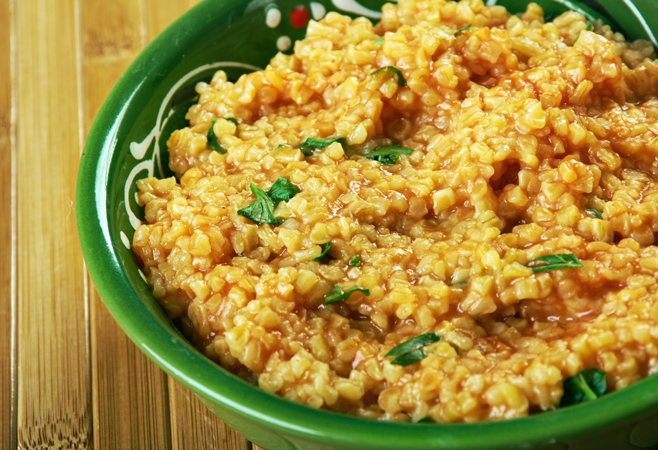 Jireesh - Kuwaiti cracked wheat soup.
Luqaimat
A pastry of golden-fried balls of dough sprinkled with honey or date syrup. Exquisitely good to finish your meal with a sweet touch.
 Golden Luqaimat
All these dishes are the true reflection of the literary spirit of Kuwait's culinary culture, and they are offered not only in the home-style restaurants but also in the fancy ones.
3. Street Food Adventures in Kuwait
A Kuwait food tour is also one of the most enjoyable things to do, as it allows immersion in its rich street food culture.
Small local eateries and casual cafeterias across Kuwait City serve quick, flavorful dishes that are popular with locals. Popular favorites include:
- Shawarma: Stuffed in pita bread and covered with garlic sauce and pickles, grilled meat.
- Falafel: Fried fritters made of chickpeas and a tahini sauce.
- Samboosa: Fried pastry filled with spicy meat, cheese, or vegetables.
- Chai Karak: This is a sweet spiced milk tea, which is taken throughout the Gulf.
If you want to experience authentic local life, visit Souq Al-Mubarakiya — one of Kuwait’s oldest markets, filled with aromas of roasted nuts, kebabs, and freshly brewed coffee.
4. Fine Dining Experiences and Modern Kuwaiti Restaurants
Although street food is the heart of Kuwait, there are modern restaurants with a sophisticated outlook on the traditional cuisine. You can explore some of the best dining experiences in the Gulf in a food tour of Kuwait City.
Here are some must-visit restaurants:
- Mais Alghanim Restaurant: It is a local establishment that has been in business since 1953 and serves good Arabic food, and it is also family-friendly.
- Dar Hamad: Combines classic Kuwaiti recipes with modern presentation in a luxurious ambiance.
- Freej Swaileh: Known for home-style meals—comfort food, which reminds one of grandmother's cooking.
- Salt Restaurant (Marina Waves): This is ideal when couples want to enjoy fine food and a romantic scenery of the sea.
A lot of these restaurants are included in guided food tour Kuwait itineraries, where chefs and guides tell the story of the origins of each food and ingredient.
5. Culinary Hotspots and Markets
To truly understand Kuwaiti gastronomy, visit its local markets, where you can see ingredients in their purest form.
- Souq Al-Mubarakiya: The beating heart of Kuwait’s food scene. From spices and dates to grilled seafood, this market brings together the country’s diverse flavors.
- Fish Market (Souq Sharq): A paradise for seafood lovers. Choose from a wide selection of fresh seafood and have it prepared at nearby restaurants for an authentic local experience.
- Friday Market: A vibrant blend of food stalls, local produce, and sweet treats.
These markets are perfect for food photography, tasting sessions, and mingling with local vendors.
6. Desserts and Drinks You Shouldn’t Miss
A Kuwait food tour cannot be complete without trying out desserts and beverages that characterize hospitality in the land.
- Knafeh: A layered pastry of cheese, shredded dough, and syrup — soft, creamy, and irresistible.
- Balaleet: Sweet vermicelli noodles with saffron and cardamom, often served for breakfast.
- Laban: A cool yogurt drink that balances spicy meals.
- Arabic Coffee (Gahwa): Served with dates as a sign of respect and welcome.
Kuwaiti cuisine is warm and generous, and its balance between sweet and savory reflects this fact.
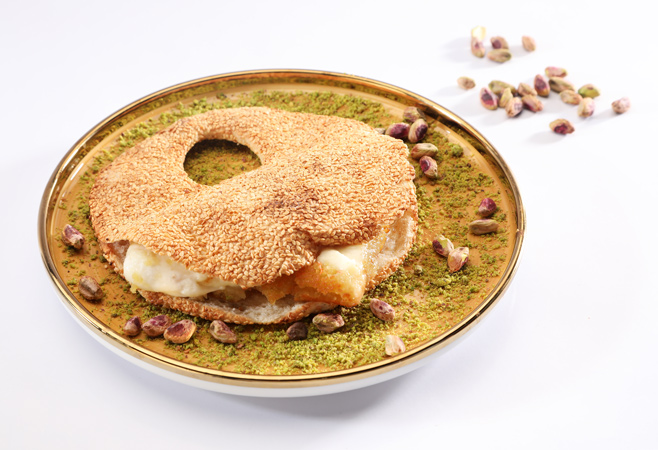 Knafeh Cheese Sandwiches
7. Kuwait Food Festivals and Culinary Events
The gastronomic environment in the city becomes even more unique during Ramadan, when iftar buffets and dessert stands are present until the late hours of the night.
- Seasonal food events and Ramadan night markets may feature food trucks, live cooking demonstrations, and special culinary showcases.
- It’s an excellent opportunity to taste a wide variety of dishes in one place.
- Local restaurants also showcase limited-edition menus inspired by traditional Kuwaiti recipes.
During Ramadan, the culinary atmosphere becomes even more special, with iftar buffets and dessert stalls open late into the night.
8. Etiquette and Cultural Tips for Food Lovers
To enjoy and make your Kuwait food tour more respectful:
- Always use your right hand when eating.
- Avoid eating or drinking in public during Ramadan daylight hours.
- Accept food or tea when offered — it’s a gesture of hospitality.
- Dress modestly when visiting markets or family-run restaurants.
Such little things would mean that you respect the Kuwaiti culture and you would be received warmly wherever you visit.
9. Planning Your Kuwait Food Tour
For first-time visitors, here’s how you can organize your day:
- Morning: Enjoy Balaleet and Chai Karak at a local café.
- Afternoon: Have lunch at Freej Swaileh or Mais Alghanim for authentic dishes.
- Evening: Explore Souq Al-Mubarakiya for street snacks.
- Night: End with dinner at Dar Hamad while overlooking the Arabian Gulf.
If you want a hassle-free experience, book a guided food tour in Kuwait—many tour companies offer themed food trails focusing on history, street food, or fine dining.
10. Travel Preparation and Visa Information
You should also not forget your travel documents since you are going on a Kuwait food tour. The simplest method of visiting Kuwait is to apply for a Kuwait eVisa through the Kuwait Immigration Services.
- Quick online process with official approval.
- 24/7 customer support and visa guidance.
- Ideal for tourists planning short culinary or cultural trips.
After the end of the visa process, there is nothing else to do but to savor the flavors, smells, and cultures that make Kuwait one of the most defining cuisines.
11. Conclusion
A Kuwait food tour is not just a trip to taste the food in Kuwait, but it is a trip to the soul of the Kuwaiti culture, history, and hospitality. Machboos and Muttabaq Samak, Chai Karak, and Knafeh—a bite of any of them is a story of generations.
So come with an open mind and an eager appetite. Start the journey by obtaining your eVisa to Kuwait today at the Kuwait Immigration Services and enter a world full of flavor where old meets new cuisine. Kuwait is waiting—and so is its table.
Related Articles
- Interesting Facts About Kuwait You Should Know Before Visiting
- Photography Spots in Kuwait – Top Places for Stunning Photos
- Yacht Trip in Kuwait – A Luxury Experience on the Arabian Gulf
- Camping in Kuwait Desert – The Ultimate Guide to a Desert Adventure
- Camel Riding in Kuwait – A Complete Desert Experience Guide
- Fine Dining in Kuwait – A Guide to Luxury Culinary Experiences
- Autumn in Kuwait – Weather, Places to Visit, and Travel Tips
- Winter in Kuwait – Weather, Best Places to Visit, and Travel Tips
- Kuwait Summer – Weather, Travel Tips, and Things to Do
- Spring in Kuwait – Weather, Best Places to Visit, and Travel Tips

HOW CAN WE HELP?
 NEED HELP 24/7
 United States
+1 949 346 9868
United States
+1 949 346 9868
 United Kingdom
+44 0330 822 7696
United Kingdom
+44 0330 822 7696
 Singapore
+65 6485 3630
Singapore
+65 6485 3630
 Viber
+65 8174 8526
Viber
+65 8174 8526

APPLY WITH CONFIDENCE


|


