
Top 5 Must-Try Kuwait Food Delights
 By Stella Tessa
Kuwaiti cuisine is a thriving and enthralling culinary tradition that reflects the nation's extensive history, geographical diversity, and cultural heritage. If you're looking to explore Kuwait food, you'll find a diverse culinary scene influenced by Arabic, Indian, Persian, and East African flavors, thanks to Kuwait’s long history of trade and business in the Arabian Gulf.
The distinctive blend of spices and herbs used in Kuwait food gives it a unique flavor and aroma. Some signature dishes include spicy rice meals, grilled meats and seafood, and an assortment of sweet desserts. A standout dish is Machboos, the Kuwait national dish, which consists of fragrant rice served with marinated meat, usually chicken, lamb, or fish, accompanied by aromatic spices and nuts. This cuisine offers a fascinating variety of tastes and textures that delight the palate. Additionally, Kuwait’s Islamic customs play a significant role, with a focus on halal meat and non-alcoholic beverages, ensuring that its culinary traditions remain deeply rooted in its cultural identity.
- The History Of Kuwaiti Cuisine
- Exploring the Richness of Kuwaiti Food
- Kuwaiti Desserts and Sweets
- Top 5 Traditional Kuwaiti Dishes for Travelers
- Enjoy Popular Food in Kuwait: A Guide For Foodies
- FAQs for Must-Try Kuwait Food Delights
- What are some tips mentioned for enjoying traditional Kuwaiti cuisine in local markets?
- What travel essentials should visitors consider before planning a culinary trip to Kuwait?
- One of the most appropriate moments to enjoy the rich culinary cuisine of the country is during the cultural
- What are some popular Kuwaiti street foods travelers should try?
- What cultural influences have shaped Kuwaiti cuisine over the centuries?
- Plan Your Trip to Kuwait Today!
The History Of Kuwaiti Cuisine
Kuwaiti cuisine has deep roots in the traditional Bedouin way of life. The nomadic tribes that first inhabited the Arabian Gulf region relied on their herds of camels, sheep, and goats for food. They developed special techniques for food preservation, including salting and drying, to maintain a consistent supply during the arid desert months. Their diet primarily consisted of meat, milk, and dates, forming the foundation of Kuwait food traditions.
As Kuwait grew into a thriving trading hub, Kuwait cuisine started to adopt fresh products and cooking methods from various nations that passed through the region. The Portuguese introduced tomatoes and chili peppers from the New World, while trade routes brought essential ingredients such as spices and rice from India and Persia. These influences helped shape traditional Kuwaiti dishes, which remain popular today.
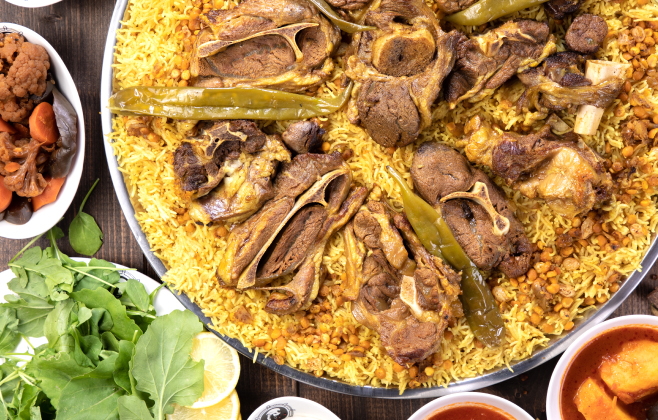
Magbos meat International Kuwait food
Exploring the Richness of Kuwaiti Food
Despite these foreign influences, Kuwaiti food has preserved its authentic flavors and ingredients. Among the most beloved Kuwaiti traditional dishes, Machboos stands out as the Kuwait national dish. This spiced rice dish, infused with saffron and aromatic spices, is typically prepared with chicken, lamb, or fish. It is a staple at family gatherings, celebrations, and festivals.
Another essential part of food in Kuwait includes hearty stews and soups made with lamb or chicken, a variety of vegetables, and lentils. Grilled meats such as shawarma and kebabs also hold a special place in Kuwaiti cuisine, offering a taste of centuries-old culinary traditions.
Given Kuwait’s coastal location, seafood plays a significant role in Kuwaiti food. Locals enjoy an array of fresh seafood, including shrimp, crab, lobster, and popular fish varieties like zubaidi, safi, and hamour. These delicacies are prepared in different styles—grilled, baked, or fried—enhancing the rich flavors of Kuwaiti cuisine.
Kuwaiti Desserts and Sweets
No discussion of Kuwait special food would be complete without mentioning its sweet treats. Popular Kuwait food desserts include balaleet, a sweet vermicelli pudding infused with saffron and rose water, and luqaimat, crispy fried dough balls drizzled with honey or syrup. These desserts are especially enjoyed during Ramadan and other festive occasions.
Top 5 Traditional Kuwaiti Dishes for Travelers
If you’re looking to explore Kuwait food, here are five must-try Kuwaiti traditional dishes that offer a delicious and authentic taste of the nation's culinary heritage:
1. Machboos (Kuwait National Dish)
Machboos, the Kuwait national dish, is one of the most iconic Kuwait food specialties. This spiced rice dish is prepared with meat or fish and flavored with a blend of cumin, saffron, and other aromatic spices. Topped with fried onions and served with yogurt, it is a signature meal at weddings, festivals, and other celebrations.
The origins of Machboos can be traced to Persia, where a similar dish, biryani, was widely enjoyed. Persian immigrants introduced their culinary traditions to the Arabian Gulf, blending Arabic and Persian cooking styles to create this classic Kuwaiti food dish.
 Machboos is one of the most iconic Kuwaiti food specialties
2. Biryani
Another essential rice dish in Kuwait cuisine is biryani, which has evolved into one of the most popular Kuwaiti traditional dishes. Made with meat or vegetables cooked with fragrant spices such as cardamom, clove, and bay leaves, biryani is typically served with saffron-infused rice and raita, a cooling yogurt-based side.
Biryani was introduced to Kuwaiti cuisine by Indian laborers during the British colonial era, and it has since become a beloved dish across the country. For an authentic experience, visitors should try biryani at a traditional Kuwaiti chicken biryani restaurant, where the dish is prepared using time-honored recipes.
If you're looking to savor traditional Kuwaiti chicken biryani, here are some notable restaurants in Kuwait that offer this delightful dish:
- Khaneen Restaurant – Mubarakiya Branch
- Bu Ali International Restaurant – Fahaheel Branch
 Another essential rice dish in Kuwaiti cuisine is biryani
3. Grilled Meat
Grilled meat is an essential component of food in Kuwait, featuring favorites such as shawarma, kebabs, and grilled chicken. Marinated with a mix of regional spices and cooked over an open flame, these meats are often served with bread, rice, or salad, making them a staple of Kuwait special food culture.
The origins of this cooking style date back to the Bedouin tribes, who would roast meat over open fires in the desert. Today, many restaurants in Kuwait specialize in grilled meat, making it a popular choice for both locals and tourists.
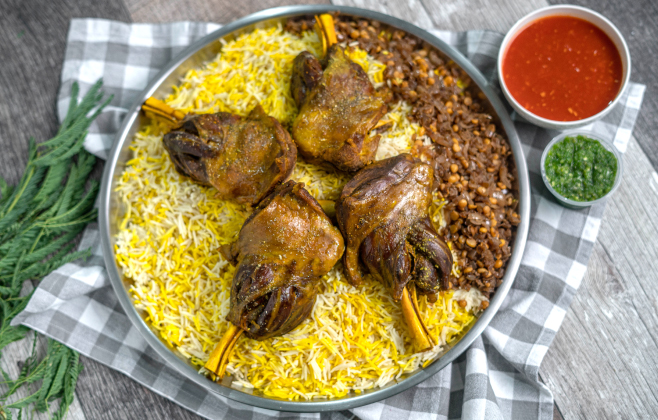
Kuwaiti Food from the local market
4. Seafood
Given Kuwait’s long history of seafaring, seafood remains a fundamental part of Kuwaiti food. Popular local fish such as hamour, zubaidi, and safi are prepared using a variety of methods, from grilling and baking to stewing. Seafood stews and soups are also widely enjoyed, showcasing the depth of Kuwait cuisine.
Fishing has been an integral part of Kuwaiti culture for centuries, and traditional wooden fishing boats, known as "dhows," still line the country’s coastline. Many restaurants in Kuwait specialize in fresh seafood, making it an essential part of Kuwait special food offerings.
 Seafood remains a fundamental part of Kuwaiti food
5. Stews and soups
Stews and soups are a cornerstone of Kuwait food, offering warmth and nourishment. These dishes feature a combination of meats such as lamb, chicken, and seafood, along with vegetables and legumes. Seasoned with a unique blend of spices, they embody the rich flavors of Kuwaiti traditional dishes.
Stews and soups are often enjoyed as a main course, served with bread or rice. Whether dining at a home or a restaurant, travelers should not miss out on experiencing these comforting dishes.
 Stews and soups are a cornerstone of Kuwait food
Enjoy Popular Food in Kuwait: A Guide For Foodies
Making travel plans to Kuwait to sample the country's delectable and varied Kuwaiti cuisine? Always remember to consider the practical aspects of traveling, such as obtaining a visa and securing travel insurance. To ensure a comfortable and pleasurable trip, keep reading for some useful advice.
Discovering Kuwait Food and Local Markets
Visiting local markets or souqs in Kuwait is the best way to find authentic ingredients and spices that make Kuwaiti food so flavorful. You can explore a wide selection of fresh produce, meats, seafood, and essential spices used in traditional Kuwaiti dishes. These markets are the heart of Kuwait cuisine, allowing travelers to experience its deep-rooted culinary traditions.
Enjoying Kuwait Special Food Through Street Eats
Trying street food is one of the best ways to experience Kuwaiti cuisine firsthand. Street food vendors sell a variety of Kuwait food, including shawarma, falafel, and samosas, as well as sweet treats like luqaimat and balaleet. Exploring these flavors is a must for any traveler looking to enjoy food in Kuwait in its most authentic form.
Experience Kuwaiti Traditional Dishes at Local Celebrations
Kuwait hosts many cultural events throughout the year, such as National Day and Liberation Day. During these celebrations, numerous food vendors set up stalls offering Kuwait special food, including Kuwait national dish Machboos. These events are a fantastic opportunity to sample traditional Kuwaiti dishes while enjoying the lively local culture.
Travel Essentials: Visa & Insurance
Depending on your nationality, different visa requirements may apply. To ensure a smooth journey, it is crucial to check Kuwait visa regulations well in advance. Applying for a Kuwait eVisa before your trip will help streamline the entry process.
Travel insurance is another essential consideration when traveling abroad. It provides financial protection in cases of unexpected medical expenses, lost or stolen belongings, travel delays, and other unforeseen situations. It is advisable to compare and purchase travel insurance online before your trip.
Secrets to Enjoying Kuwait Cuisine in Local Markets
Looking to indulge in an unforgettable gastronomic experience? Kuwaiti cuisine offers a delicious assortment of classic meals packed with rich flavors and spices.
For the best experience, immerse yourself in the culture by visiting traditional markets, trying Kuwaiti traditional dishes at authentic restaurants, and seeking out Kuwaiti food specialties. Whether it's the rich and hearty stews, fragrant biryanis, or the beloved Machboos, there’s something for every food lover.
 Secrets To Enjoying Traditional Kuwaiti Cuisine in the market
FAQs for Must-Try Kuwait Food Delights
What are some tips mentioned for enjoying traditional Kuwaiti cuisine in local markets?
One of the most pleasant activities of the traveler is to get acquainted with traditional Kuwaiti food in local markets. To enjoy the flavors to their maximum, one should visit the markets early in the day when the vendors are likely to be the most active, and the food is still freshly cooked. There is no need to be shy about trying small samples; the Kuwaiti sellers are often amiable and are willing to give you a taste before you can purchase. The other useful trick is that you should ask the locals to give you their recommendations, as they usually know the best places to get such food as machboos, muttabaq samak, or fresh-baked khubz.
Another good idea would be to observe the way things are cooked because most sellers are using the ancient cooking methods that have been used over generations. Last, carry cash, be open to new tastes, and enjoy the atmosphere around you. Food is not the only element of local markets; it is a cultural experience that makes you closer to everyday life in Kuwait.
What travel essentials should visitors consider before planning a culinary trip to Kuwait?
A few travel necessities can make your trip to Kuwait smooth and enjoyable when making a culinary trip. The first thing to do is to verify your Kuwait eVisa requirements and apply online in advance; this is a time-saving and hassle-free experience. Then you need to arrange your tour according to the weather; it can be very hot in Kuwait, and therefore light clothes, sunscreen, and lots of water are a necessity.
As the food is the best thing when you visit Kuwait, you can check out the Kuwaiti cuisines you need to taste, like machboos, harees, and fresh seafood, and you can make a reservation in restaurants, particularly during the weekends. A local SIM card or portable Wi-Fi to get around and review restaurants is also quite useful.
Lastly, pack comfortable walking shoes, as many great dining spots are located in souks and waterfront areas. With these essentials in mind, your culinary adventure in Kuwait will be delicious, memorable, and stress-free!
What makes cultural celebrations in Kuwait a good opportunity to try traditional dishes?
One of the most appropriate moments to enjoy the rich culinary cuisine of the country is during the cultural
events in Kuwait. At some special occasions like the National Day, Liberation Day, and religious holidays, e.g., Ramadan and Eid, families and communities cook their favorite dishes and offer them to their visitors. Such events unite people and provide a cozy and friendly environment in which the visitors can experience the authentic Kuwaiti taste based on the old recipes.
There are also traditional foods such as machboos, harees, jareesh, and luqaimat that are served during big events, and it gives travelers an opportunity to get a whole range of foods at a single location. Since the social gatherings are based on hospitality, people are often eager to talk about the significance of this or that dish, which also contributes to the experience. To visitors, the cultural events in Kuwait not only provide them with tasty food but also a greater insight into the Kuwaiti culture and traditions, as well as the strong sense of community that characterizes the nation.
What are some popular Kuwaiti street foods travelers should try?
Kuwait also has a good street-food culture, which every tourist must visit. Shawarma, a favorite dish in the area that is cooked with either tender chicken or beef and then wrapped in warm bread and served in garlic sauce, is one of the dishes that cannot be passed on. Another dish you will adore is falafel, which are patties of crispy chickpeas that are usually presented in a sandwich or as a quick meal. To be more traditional, machboos balls are a street-style adaptation of the Kuwaiti national rice dish, which is typically spiced with herbs and is cooked slowly with meat.
If you have a sweet tooth, don’t miss luqaimat, delicious fried dough bites dipped in date syrup—perfect with a cup of Arabic coffee. Khubz rag is another well-liked snack, a thin, crispy bread that is usually cooked on a hot griddle and then filled with some eggs, cheese, or even honey.
These street foods offer a fun and authentic way to taste Kuwait’s culture, making your trip even more memorable.
What cultural influences have shaped Kuwaiti cuisine over the centuries?
Kuwaiti cuisine has been shaped by centuries of cultural exchange, trade, and migration, creating a rich food tradition that blends flavors from across the region. Being a coastal country and a long-time seafaring country, in recent decades, Kuwait has embraced many ingredients and cooking patterns of the Persian, Indian, and East African countries due to the sea routes. It is through these relationships that spices like saffron, cardamom, turmeric, and cinnamon became the main ingredients in Kuwaiti cuisine.
The Bedouin legacy of the Arabian Peninsula contributes significantly as well, and it introduces a hearty cuisine that includes rice, lamb, dates, and dairy. The Ottomans had new approaches to cooking, and the neighbors in Iraq and the Levant brought popular dishes such as grilled meat, types of bread, and mezze-style food.
Over time, Kuwait blended all these elements into unique dishes such as machboos, harees, and mutabbaq samak. Today, Kuwaiti cuisine stands as a flavorful reflection of the country’s diverse cultural history.
Plan Your Trip to Kuwait Today!
Don't forget to apply for your visa through the Kuwait Immigration Services website if you’re planning a trip to sample Kuwait food. You can also obtain travel insurance through the same portal for peace of mind.
If you've read this far and are ready to explore Kuwait cuisine, apply for a Kuwait eVisa today and experience the vibrant culture and mouth-watering flavors that make Kuwait a fantastic travel destination!
Related Articles
- Interesting Facts About Kuwait You Should Know Before Visiting
- Photography Spots in Kuwait – Top Places for Stunning Photos
- Yacht Trip in Kuwait – A Luxury Experience on the Arabian Gulf
- Camping in Kuwait Desert – The Ultimate Guide to a Desert Adventure
- Camel Riding in Kuwait – A Complete Desert Experience Guide
- Fine Dining in Kuwait – A Guide to Luxury Culinary Experiences
- Autumn in Kuwait – Weather, Places to Visit, and Travel Tips
- Winter in Kuwait – Weather, Best Places to Visit, and Travel Tips
- Kuwait Summer – Weather, Travel Tips, and Things to Do
- Spring in Kuwait – Weather, Best Places to Visit, and Travel Tips

HOW CAN WE HELP?
 NEED HELP 24/7
 United States
+1 949 346 9868
United States
+1 949 346 9868
 United Kingdom
+44 0330 822 7696
United Kingdom
+44 0330 822 7696
 Singapore
+65 6485 3630
Singapore
+65 6485 3630
 Viber
+65 8174 8526
Viber
+65 8174 8526

APPLY WITH CONFIDENCE


|


